


What is hyperpigmentation?
Hyperpigmentation is caused by excess production of melanin, the pigment that gives skin its color. When skin cells called melanocytes produce too much melanin, it results in the hyperpigmentation of the skin.
What causes hyperpigmentation?
Hyperpigmentation can be triggered by environmental factors, hormonal changes, and certain diseases. Hormonal changes during pregnancy, oral contraceptive use, aging, excessive sun exposure, certain chemotherapy medications, and endocrine disorders such as Addison's disease all increase melanin synthesis, triggering hyperpigmentation.

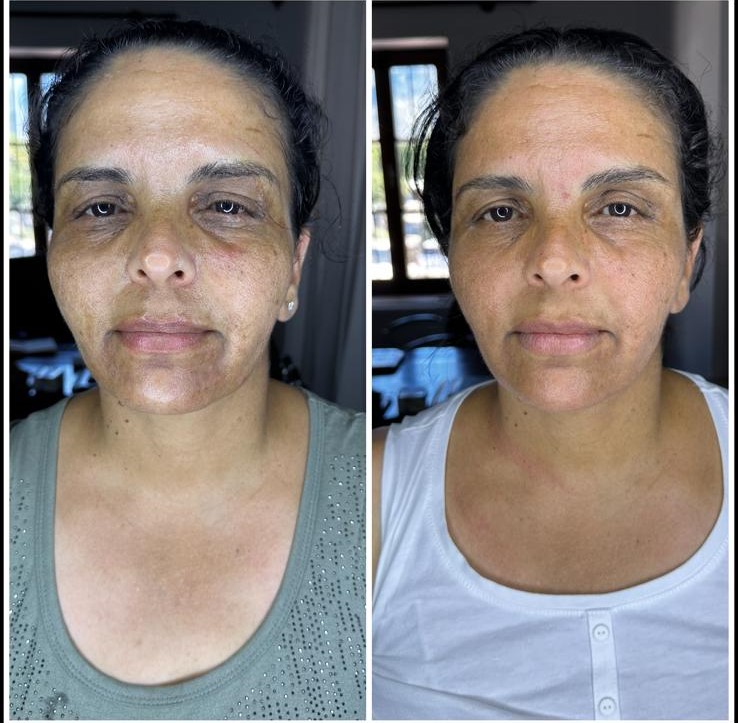
What are the types of hyperpigmentation?
Hyperpigmentation isn't a condition itself but a term used to describe dark areas on the skin that can appear as small patches, cover large areas, or affect the entire body. Types of hyperpigmentation include melasma, sunspots, and post-inflammatory hyperpigmentation:
• Melasma is commonly seen in aging and pregnant individuals due to hormonal changes, mostly appearing on the face and stomach.
• Sunspots, also referred to as liver spots, are usually due to excessive sun exposure on the hands and face.
• Post-inflammatory hyperpigmentation occurs after an injury or inflammation, commonly seen in patients with acne.
How can hyperpigmentation be prevented or treated?
The underlying cause of hyperpigmentation should first be identified by a doctor. Treatment plans are tailored to each patient and may include topical prescription medications, mesotherapy, laser treatments, and chemical peels, depending on the need. Lifestyle changes such as using sun protection creams and clothing are also highly recommended.