

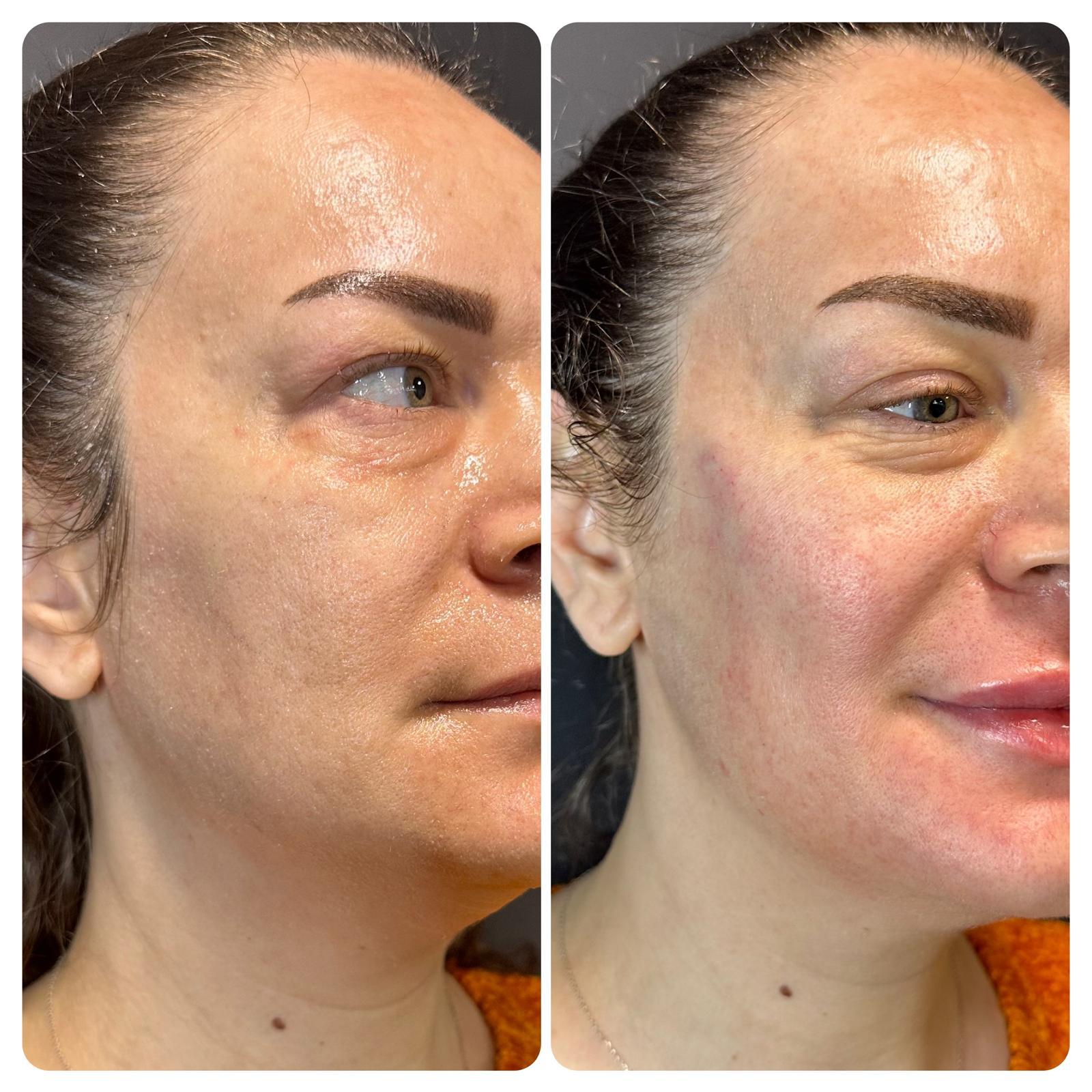
Cheek fillers are employed to restore volume loss and to fill concave areas on the cheekbones. They are effective in defining the facial bone structure sharply, giving patients a more youthful and refreshed appearance. Hyaluronic acid-based fillers are often preferred in this region due to their reversibility and ease of shaping compared to other dermal filler options.
When applied to the cheekbones, dermal fillers can enhance the face's projection, helping to achieve a more triangular shape, which is considered the gold standard for a youthful appearance in cosmetic medicine. Fillers can be strategically injected at various locations on the cheekbone to meet individual patient needs. Placing filler higher on the cheekbone can offer a subtle lift, reducing the visibility of nasolabial folds (lines from the sides of the nose to the corners of the mouth) and marionette lines (lines from the corners of the mouth down to the chin).
Significant volume loss due to aging and weight loss can lead to hollowed cheeks. This reduction in cheek fat contributes to the development of wrinkles, creases, sagging jowls, and deepened nasolabial folds. Dermal fillers target the larger middle part of the cheekbone and the mid-face fat pads to replenish lost volume. Cheek fillers can also help reduce under-eye dark circles if placed correctly at the lid-cheek junction.
Younger patients may opt for this treatment to enhance facial contouring. Addressing the correct points, particularly on the upper region of the cheekbone, can create a contoured look that simulates the effect of highlighter makeup, leading to a brighter, lighter, and more pronounced facial appearance.
Furthermore, cheek fillers can correct irregularities or asymmetries between the left and right sides of the face. This is why professional medical evaluation of the cheeks before treatment is crucial, as cheekbone enhancement can significantly alter overall facial appearance. Doctors may choose products with varying viscosities based on the patient's specific requirements.
The rejuvenation and augmentation of cheekbones with fillers, when placed accurately, can achieve a uniquely balanced facial aesthetic.
| No of Visit | 1 -2 |
| Pain | Mild-Moderate Pain is minimised with the use of topical anesthesia prior the procedure. Applied Fillers mostly have its own anesthesia called lidocaine that will reduce the pain to minimum |
| Recovery | Return to daily life. First 24-72hrs sensitive Cold compress if required with low pressure to minimise the bruising. The product might feel lumpy during 1st week but will blend in naturally after with help of gentle message in requirement. |
| Post Injection Precautions | No water appliance until 12 hrs No strenuous exercise and make up for 24 hrs No alcohol, smoking, pain killers and blood thinners are advised to avoid bruising Not Laying on the sides of treated region for 3 days No skincare procedures, hot baths, sauna and swimming for 7-10 days |
| Disqualifications | Patients with a history of allergy to fillers, active skin infection, rash, blood thinner usage, breastfeeding, and pregnancy |
| Possible Complications | Persistent pain, edema (swelling),infection, allergic reaction, skin discoloration, lumpy skin formation, vascular effects, unsatisfed results, irregularities, assymetry |
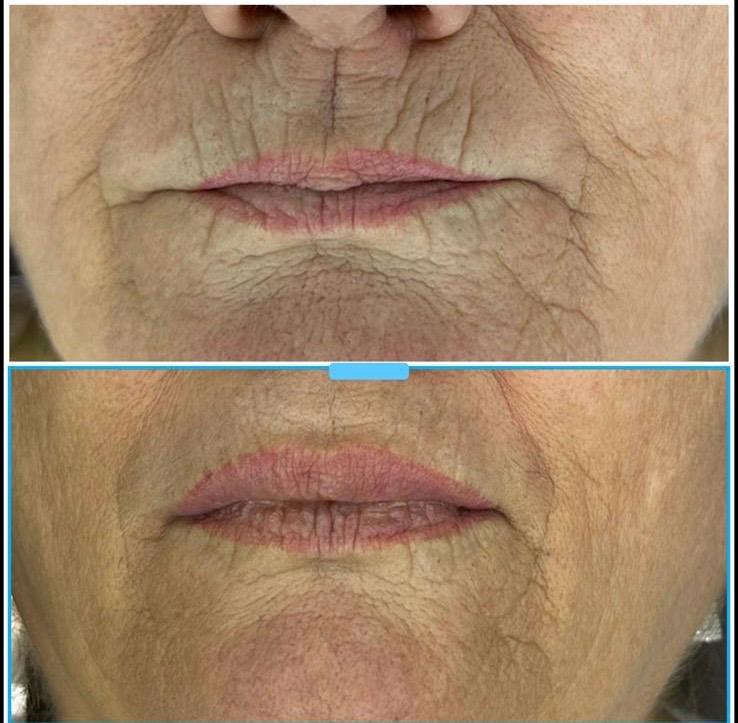
Nasolabial folds are the wrinkles that extend from the bottom of the nose to the corners of the mouth, following along the middle cheek. While some degree of nasolabial folding is natural, these folds can become more pronounced and noticeable due to the loss of collagen, elastin, and hyaluronic acid, which are essential for healthy skin. Another contributing factor to the appearance of nasolabial folds is the flattening of cheeks with age, leading to skin sagging that exacerbates the folds.
Thin lips and the oral region can cause the medial part of the fold to sink in, making the folds more apparent. Fluctuations in weight also affect nasolabial folds: weight gain can lead to plumper cheeks while weight loss can result in looser skin, both of which can accentuate these folds. Other factors, such as sleeping on a particular side and smoking, can make nasolabial folds more prominent. Any combination of these factors can lead to the loss of facial contour, contributing to an unhappy expression and an aged appearance.
Dermal filler treatment is often the first choice for addressing nasolabial folds. Fillers help stimulate the production of skin components such as collagen and hyaluronic acid, plumping the skin and creating a softer, smoother appearance. By increasing the volume around the mouth, dermal fillers allow nasolabial folds to blend more naturally into the cheeks, providing patients with a more complete and rejuvenated look. Patients primarily seek this treatment to minimize the signs of aging, smooth out wrinkles, and maintain hydrated skin.
| No of Visit | 1 -2 |
| Pain | Mild-Moderate Pain is minimised with the use of topical anesthesia prior the procedure. Applied Fillers mostly have its own anesthesia called lidocaine that will reduce the pain to minimum |
| Recovery | 24-72 hrs Direct return to daily life Cold compress if required with low pressure to minimise the bruising. The product might feel lumpy during 1st week but will blend in naturally after with help of gentle message if required. |
| Post Injection Precautions | No water appliance until 12 hrs No strenuous exercise and make up for 24 hrs No alcohol intake for a day No smoking, pain killers and blood thinners are advised to avoid bruising No skincare procedures, hot baths, sauna and swimming for 7- 10 days |
| Disqualifications | Patients with a history of allergy to fillers, active skin infection, rash, blood thinner usage, breastfeeding and pregnancy |
| Possible Complications | Persistent pain, edema (swelling), infection, allergic reaction, skin discoloration, lumpy skin formation, vascular effects, unsatisfed results, irregularities, assymetry |
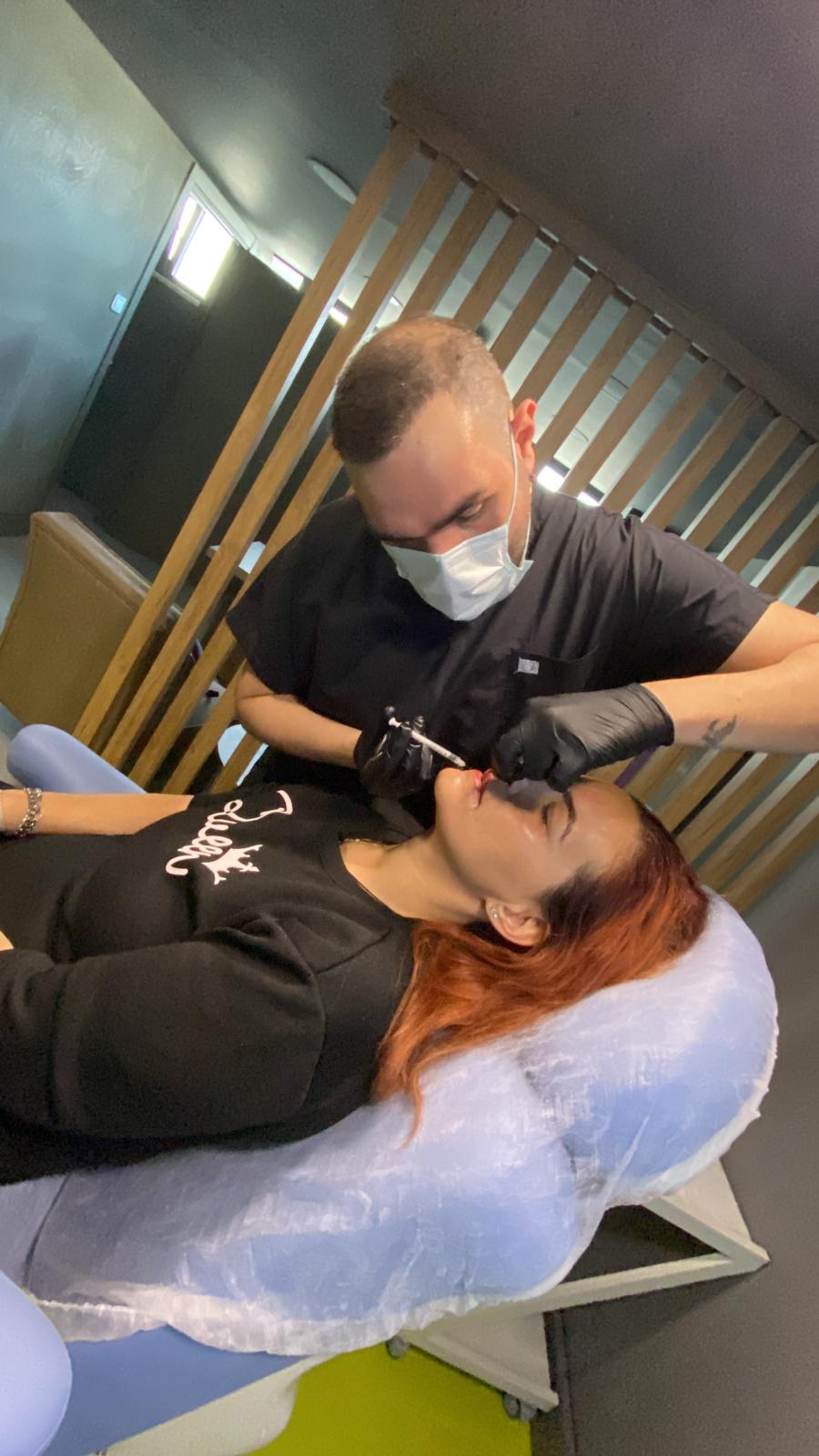
Non-surgical rhinoplasty, also known as liquid rhinoplasty, involves the injection of dermal fillers beneath the deep skin layer of nasal tissue to correct the shape of the nose's tip or body. This treatment option is particularly favorable for patients who are apprehensive about undergoing traditional rhinoplasty surgery. While non-surgical rhinoplasty is not risk-free, it offers the advantages of a shorter recovery period and lower cost.
This procedure can address various concerns, including:
• Smoothing out small bumps on the nose bridge
• Correcting a drooping nasal tip and creating a lift
• Enhancing a more prominent tip
• Smoothing out irregularities
• Correcting volume loss
For patients with a mild bump on their nose, this procedure can effectively smooth it out and camouflage it, yielding a complete and natural nose profile. However, not everyone is an ideal candidate for this procedure. It is often not suitable for those requiring significant size reduction or correction of a large nasal bridge bump, where traditional invasive rhinoplasty may be necessary.
Various fillers can be utilized in the nasal region, but hyaluronic acid products are commonly preferred for their ease of shaping and the possibility of reversal with the enzyme hyaluronidase, if necessary. It is important for patients to remember that the results of this procedure are not permanent, and it will need to be repeated at certain intervals.
| No of Visit | 1 -2 |
| Pain | Mild-Moderate Pain is minimised with the use of topical anesthesia prior the procedure. Applied Fillers mostly have its own anesthesia called lidocaine that will reduce the pain to minimum |
| Recovery | Direct return to daily life First 24-72 hrs sensitve Swelling is expected for 2-4 days Cold compress if required with low pressure to minimise the bruising The product might feel lumpy during 1st week but will blend in naturally after. |
| Post Injection Precautions | No water appliance until 12 hrs No strenuous exercise and make up for 24 hrs No massage for few days No alcohol intake for a day No smoking, pain killers and blood thinners are advised to avoid bruising No skincare procedures, hot baths, sauna and swimming for 7-10 days |
| Disqualifications | Patients with a history of allergy to fillers, active skin infection, rash, blood thinner usage, large humps, large nose, breastfeeding and pregnancy |
| Possible Complications | Persistent pain, edema (swelling),bruising, nausea, migration of product, infection, allergic reaction, skin discoloration, lumpy skin formation, vascular effects, unsatisfed results, irregularities, assymetry |