

What is PRP treatment?
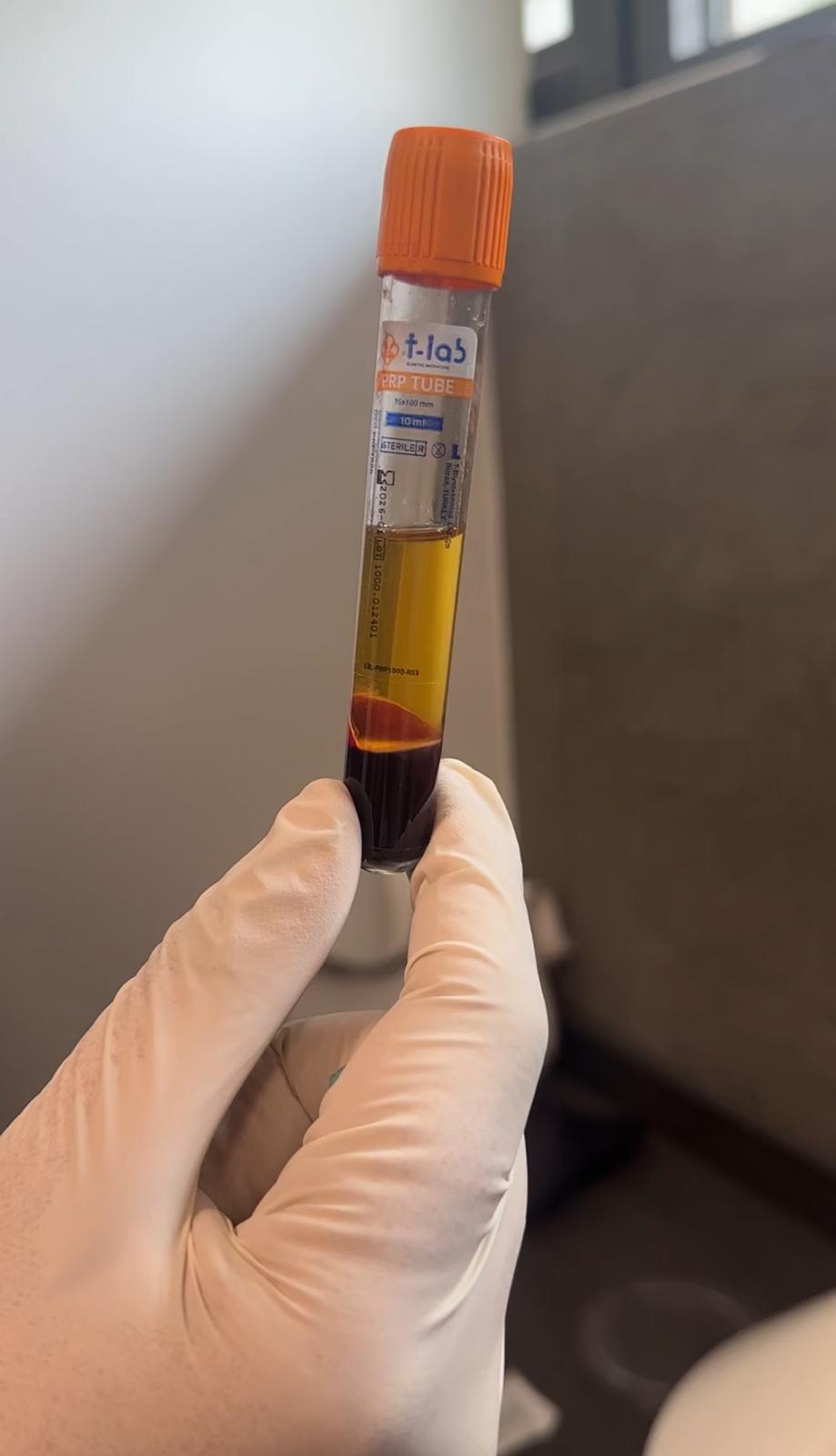
Our body has a remarkable ability to renew and repair itself. PRP (Platelet-Rich Plasma) treatment harnesses this capability by concentrating platelets from the patient’s own blood and injecting them at specific locations to boost the healing process. In this procedure, a doctor draws blood from the patient's arm, then processes it in a centrifuge to separate the platelet-rich plasma from other blood components. Platelets, also known as thrombocytes, play a crucial role in stopping bleeding and are increasingly used in sports injuries, wound healing, and cosmetic medicine.
How does the PRP shot work?
PRP treatment involves three steps:
• Blood Draw: Blood is drawn from the patient’s arm.
• Separation: The blood sample is transferred to a centrifuge to separate the required cells.
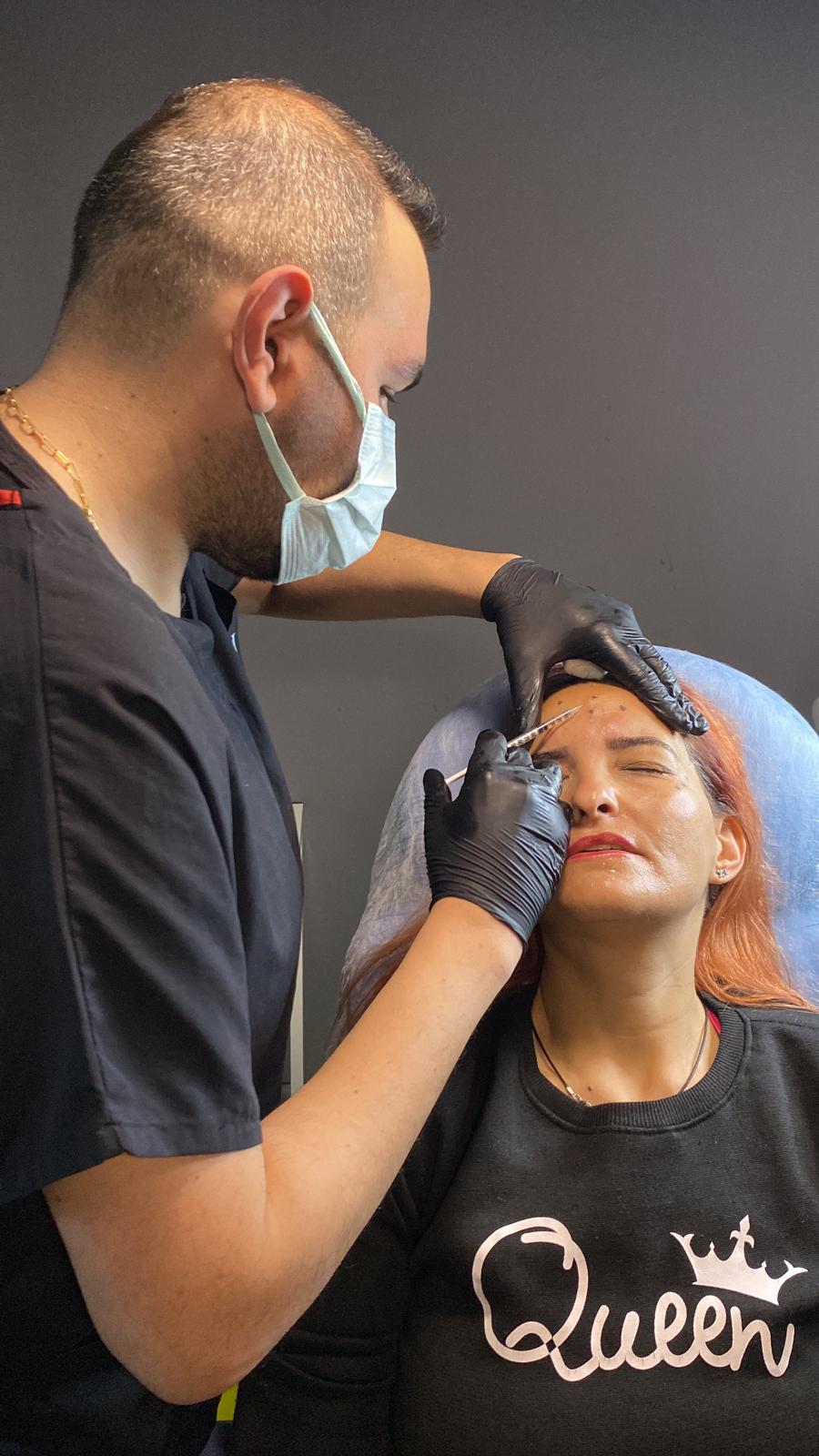
• Injection: The concentrated platelets are injected into the area of concern to promote healing.
What can PRP treat?
PRP injections can treat:
• Muscle and joint injuries
• Alopecia type hair loss in men and women
• Facial cosmetic concerns to smooth out deep wrinkles and lines
• Sagging skin for a more youthful appearance
• Wound and scar healing, beneficial for skin conditions like acne and psoriasis
• Undereye dark circles
• Stretch marks from weight gain
• Loss of skin elasticity
What is GRP treatment?
GRP (Growth Factor Rich Plasma) is similar to PRP but includes an additional molecule called growth factor (GF) which enhances the effects of PRP. GRP is particularly effective in treating hair loss and facial rejuvenation. Both PRP and GRP are effective for combating aging signs, wrinkles, hair loss, and supporting skin elasticity.
How many sessions are required?
The number of PRP and GRP sessions required can vary from one person to another, but typically 1-6 sessions are needed for long-lasting and effective results.
What should you consider before the procedure?
Patients are advised to avoid blood thinners like aspirin and painkillers before the procedure to reduce the risk of bruising. It’s also recommended to eat beforehand to prevent feeling lightheaded due to the blood draw.
What to expect after treatment?
For the first 48 hours after treatment, avoid washing the treated area to prevent infection. Some bruising and swelling are expected but should subside within 24 hours. While pain is generally minimal, contact your doctor if you experience sharp pain following the procedure.
Individuals who are anemic, have abnormal platelet function or counts, a history of cancer, or active infections are not suitable candidates for this treatment.
• Duration: 60-90 min
• Pain: Mild; pain can be minimized with anesthesia.
• Recovery: Immediate
• Number of Visits: 1-6 sessions, depending on the severity, type, and area of the condition.
• Possible Complications: Bruising, redness, infection at the injection site, itchy skin, allergic reactions.