

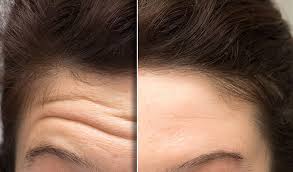
Forehead fillers are utilized to restore volume loss and correct deformities in the frontal bone caused by aging and bone diseases. The frontal muscles on the forehead are responsible for raising the eyebrows. Individuals who frequently raise their eyebrows may develop deepened wrinkles, which can become resistant to Botox treatment. This is where dermal filler treatment becomes beneficial, helping to smooth out these deepened static lines that are visible even when the muscles are at rest. Forehead fillers not only improve the appearance of static horizontal lines on the forehead but also contribute to a more youthful appearance and enhanced aesthetic outcome.
| No of Visit | 1 -2 |
| Pain | Mild-Moderate Pain is minimised with the use of topical anesthesia prior the procedure. Applied Fillers mostly have its own anesthesia called lidocaine that will reduce the pain to minimum. |
| Recovery | Return to daily life. First 24-72 hrs sensitive. There might be a mild pain with a pressure for few days. |
| Post Injection Precautions | Avoid using water appliances for 12 hours. Refrain from strenuous exercise and wearing makeup for 24 hours. Do not consume alcohol, smoke, take painkillers, or use blood thinners to prevent bruising. Avoid lying on the sides of the treated areas for 3 days. Do not undergo any skincare procedures, take hot baths, visit saunas, or swim for 7-10 days. |
| Disqualifications | Patients with a history of allergy to fillers, active skin infection, rash, blood thinner usage, breastfeeding, and pregnancy |
| Possible Complications | Possible Complications Persistent pain, edema (swelling), infection, allergic reaction, skin discoloration, lumpy skin formation, vascular effects, unsatisfed results, irregularities, assymetry |
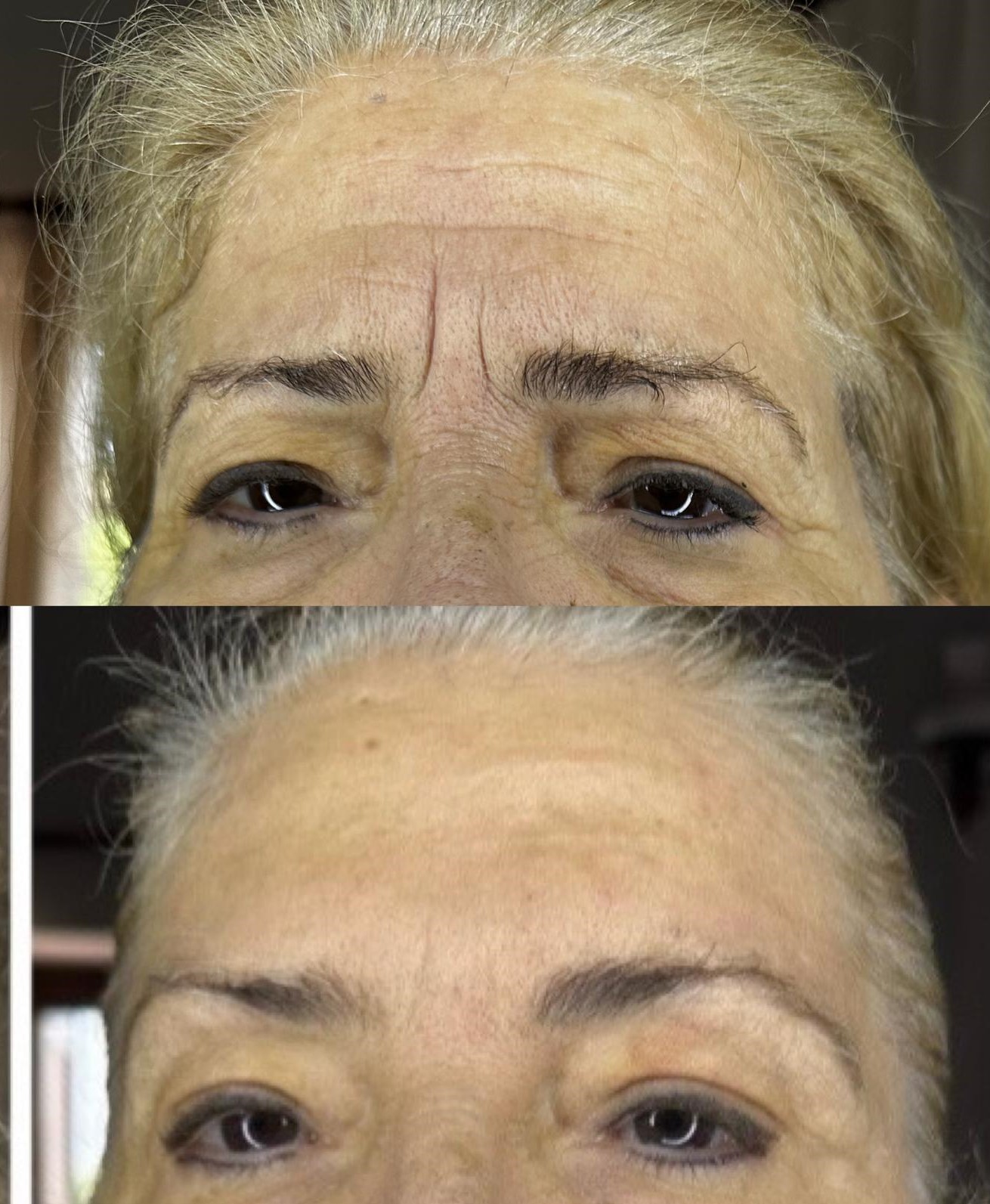
Frown lines are the vertical lines that develop between the eyebrows. These lines tend to deepen in individuals who frequently use their facial expressions. Botox treatment is often recommended for this area, but for patients with lines that persist after Botox treatment, dermal fillers may be considered. In some instances, combining both treatments can be advantageous, especially for those with hyperactive brow depressor muscles.
| No of Visit | 1 -2 |
| Pain | Mild-Moderate Pain is minimised with the use of topical anesthesia prior the procedure. Applied Fillers mostly have its own anesthesia called lidocaine that will reduce the pain to minimum. |
| Recovery | Return to daily life. First 24-72 hrs sensitive. Ice usage if needed for bruising. |
| Post Injection Precautions | Post Injection Precautions Avoid using water appliances for 12 hours. Refrain from strenuous exercise and wearing makeup for 24 hours. Do not consume alcohol, smoke, take painkillers, or use blood thinners to prevent bruising. Avoid lying on the sides of the treated areas for 3 days. Do not undergo any skincare procedures, take hot baths, visit saunas, or swim for 7-10 days. |
| Disqualifications | Disqualifications Patients with a history of allergy to fillers, active skin infection, rash, blood thinner usage, breastfeeding and pregnancy |
| Possible Complications | Possible Complications Persistent pain, edema (swelling), infection, allergic reaction, skin discoloration, lumpy skin formation, vascular effects, unsatisfed results, irregularities, assymetry |
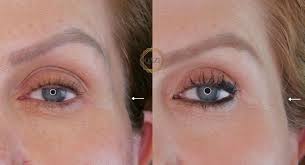
The temples, located on each side of the face, play a significant role in facial symmetry. Aging, surgical alterations, and fat loss due to trauma can cause the temporal region to sink inwards, impairing facial harmony. Habitually sleeping on one side may also lead to a sunken temporal area, resulting in what is commonly referred to as a 'peanut head' appearance.
The goal of treating this facial region is to restore lost volume and achieve facial symmetry. The bony appearance that contributes to an aged look can be addressed with a combination of techniques. These enhance the continuity between the temporal region and the cheekbone, giving patients a natural, youthful, and desired look. Additionally, filling the temporal hollows can provide the added benefit of a semi-partial lateral brow lift.patients with semi- partial lateral brow lift.
| No of Visit | 1 -2 |
| Pain | Mild-Moderate Pain is minimised with the use of topical anesthesia prior the procedure. Applied Fillers mostly have its own anesthesia called lidocaine that will reduce the pain to minimum. |
| Recovery | Direct return to daily life 24-72 hrs -sensitive Cold compress to minimise the bruising Trismus (inability to open mouth )may occur 1 to 2 days and will be resolved without treatment |
| Post Injection Precautions | Avoid using water appliances for 12 hours. Refrain from strenuous exercise and wearing makeup for 24 hours. Do not consume alcohol, smoke, take painkillers, or use blood thinners to prevent bruising. Avoid lying on the sides of the treated areas for 3 days. Do not undergo any skincare procedures, take hot baths, visit saunas, or swim for 7-10 days. |
| Disqualifications | Patients with a history of allergy to fillers, active skin infection, rash, blood thinner usage, breastfeeding and pregnancy |
| Possible Complications | Possible Side Effects Persistent pain, edema (swelling), infection, allergic reaction, skin discoloration, lumpy skin formation, vascular effects, unsatisfed results, irregularities, assymetry |
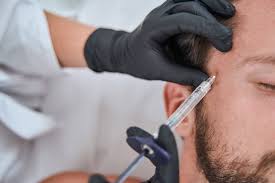
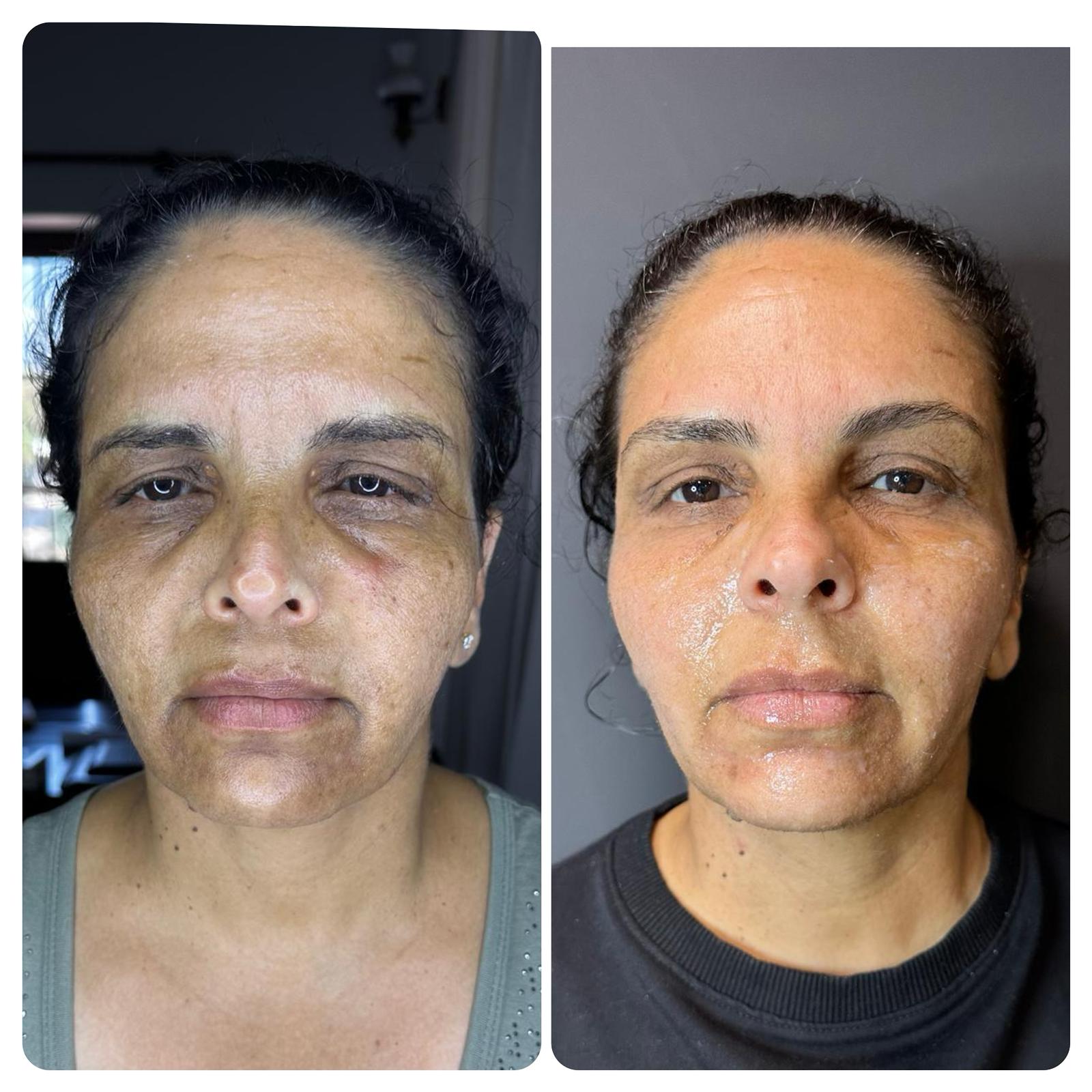
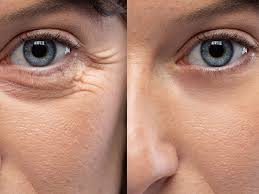
Tear trough deformity is characterized by a deep crease that forms with aging, located beneath the eyeball and extending to the upper cheek. Tear troughs can appear sunken, like a concave, and often have a darkened appearance that typically worsens with age. The presence of dark, sunken circles around the eyes can give individuals a fatigued appearance, often making them look older than they actually are. While tear troughs are primarily age-related, they can also be an inherited feature. Factors such as significant weight loss and sleep issues are also believed to exacerbate tear trough deformity.
Age-related deformity is primarily due to volume loss and decreased elasticity in facial tissue. Ligaments that lose elasticity with age are no longer able to support the skin's weight, causing the facial skin to sag. If this condition is left untreated, it can progress to under-eye fat pad herniation. Treating fat pad herniation with fillers can lead to an unfavorable outcome, emphasizing the importance of early intervention with filler treatments before surgical removal of under-eye fat herniation becomes necessary.
Not everyone is an ideal candidate for this treatment; the area must be professionally analyzed.
Ideal Candidates for Treatment:
• Individuals with thick, elastic, and healthy skin
• Mild to moderate under-eye sagging
• Good physical condition
• Realistic expectations
Non-Ideal Candidates for Treatment:
• Individuals with thin skin
• Very dark circles and deep creases
• Excessive under-eye sagging and fat herniation
• Active skin infections
| No of Visit | 1 -2 |
| Pain | Mild-Moderate Pain is minimised with the use of topical anesthesia prior the procedure. Applied Fillers mostly have its own anesthesia called lidocaine that will reduce the pain to minimum |
| Recovery | Direct return to daily life First 24-72 hrs sensitive Cold compress if required with low pressure to minimise the bruising. Gentle massage with fingers on lumpy areas |
| Post Injection Precautions | Avoid using water appliances for 12 hours. Refrain from strenuous exercise and wearing makeup for 24 hours. Do not consume alcohol, smoke, take painkillers, or use blood thinners to prevent bruising. Avoid lying on the sides of the treated areas for 3 days. Do not undergo any skincare procedures, take hot baths, visit saunas, or swim for 7-10 days. |
| Disqualifications | Patients with a history of allergy to fillers, active skin infection, rash, blood thinner usage, breastfeeding, and pregnancy |
| Possible Complications | Persistent pain, headache, edema (swelling), infection, allergic reaction, Tyndall effect (blue discolorisation), lumpy skin formation, vascular effects, unsatisfed results, blindness (very rare) |