

Hair implantation, also known as hair transplantation, is a cosmetic surgery procedure that involves the removal of strong and healthy hair follicles from a donor area and their subsequent replacement into a recipient area where thinning or baldness has occurred. This procedure is carried out by professional doctors and medical assistants who are experts in the field. Hair implantation techniques are constantly evolving and improving, providing patients with the opportunity to achieve the desired look they want. There are different techniques available that can be tailored to meet the specific requirements of each patient.
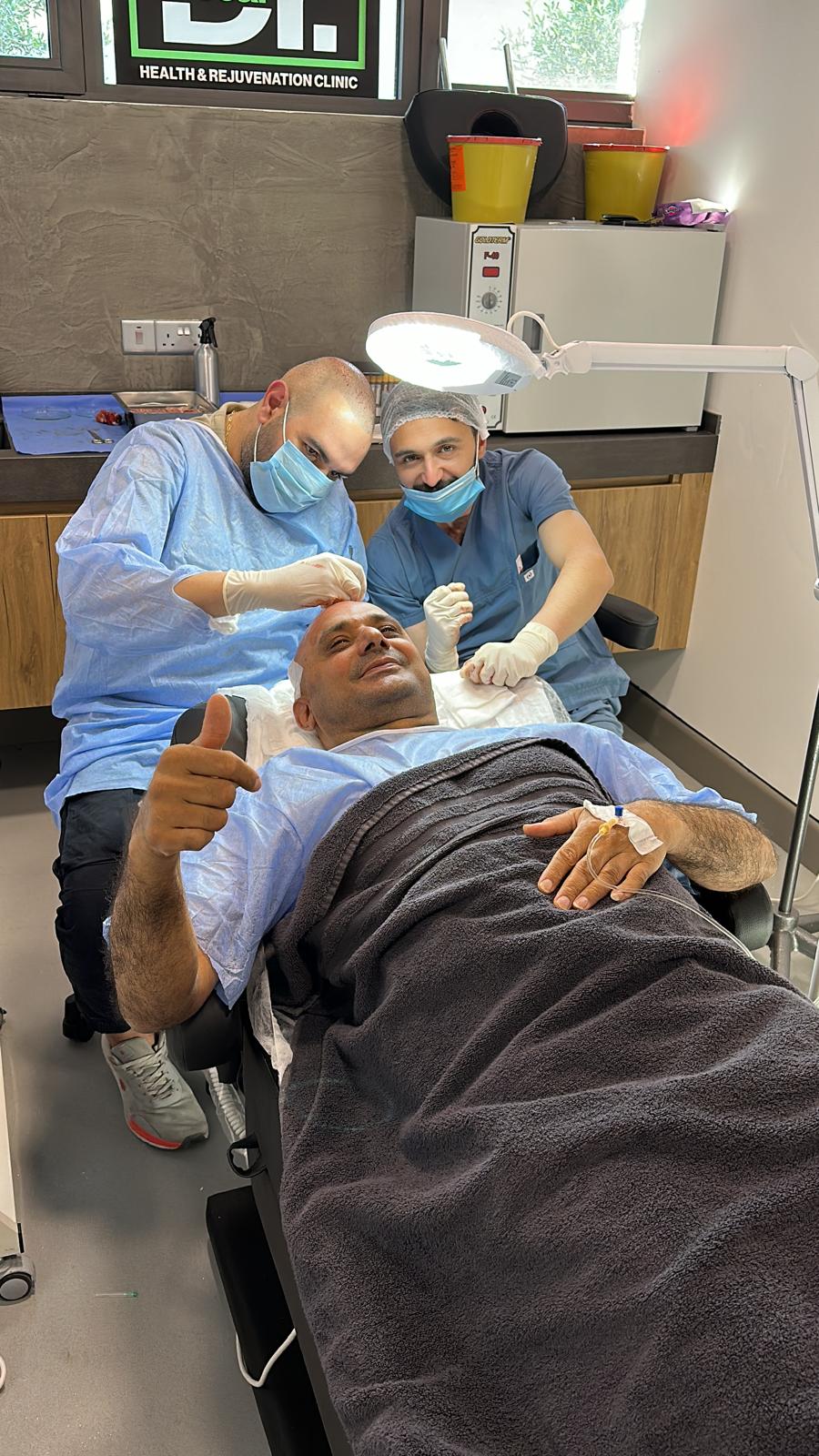
The Follicular Unit Extraction (FUE) technique is widely used and considered to be one of the most popular methods for treating hair loss. This technique is particularly suitable for male patients who experience significant hair loss. The FUE technique involves extracting hair follicles using a micro-punch, which is a lengthy process where hairs are collected one by one. This technique is considered to be the best one because it is less painful compared to other methods, and patients can return to their normal routine earlier. Patients are required to shave their hair before undergoing the procedure. FUE is essential for patients who are bald or close to being bald, as a larger amount of hair is needed. This technique allows aesthetic doctors to work with a greater number of grafts, which results in higher patient satisfaction. So, if you are concerned about hair loss and baldness, don't worry, we can help you get incredible results with FUE.
The micro punch tool is utilized in the DHI method for extracting hair. This technique is more suitable for patients who need less hair, including men and women with small areas of hair loss or scar tissue. DHI allows patients to receive hair implants without shaving their hair, which is a significant advantage. However, it should be noted that the DHI method collects a limited number of grafts.
With the DHI method, hair is collected from the donor region and transplanted to the areas where the hair is most restricted. The primary difference between the DHI method and other methods is the implantation part of the procedure, which is applied by a special Pen called "Choi Pen." This procedure is less invasive and does not require hair canal openings, resulting in less tissue damage and a quicker healing period compared to other methods. The most significant advantage of this procedure is that it enables the implantation of hair as close to the scalp as possible, creating a more intense hairline for the patient.
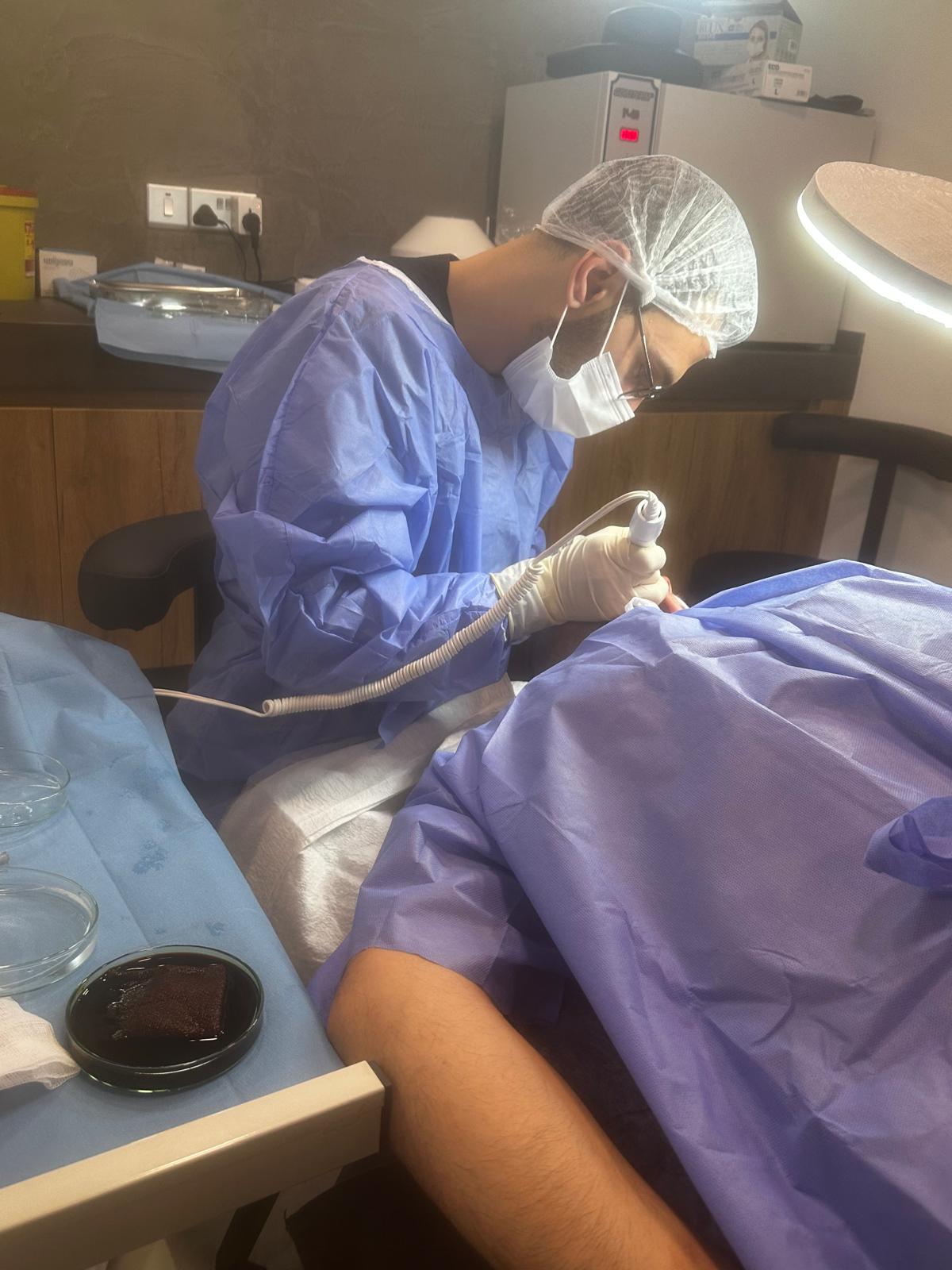
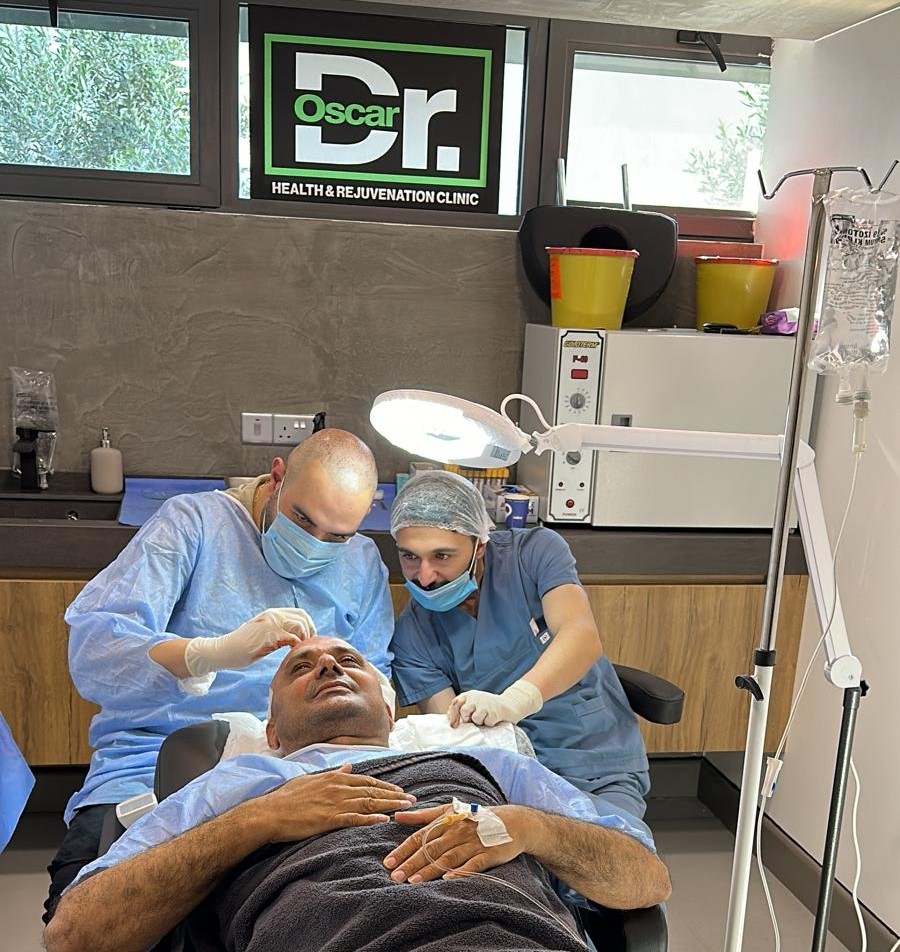
Non-shave hair implanting relieves patients from their concerns about aesthetic looks.
The American shave non-shaving hair implant is a popular hair transplant treatment that allows patients to resume their normal lives after the operation. To prepare for the procedure, the patient's hair should be cut very short at the donor area. Hair follicles are then collected from the donor area and implanted in areas where hair is most needed. The quick healing process of the donor region at the back of the neck and the fact that the recipient area does not need to be shaved, enable patients to return to their daily routine more easily.
The Window Shaped Non-Shave Hair Implant is a technique used for patients who have long hair on the back of their heads. The long hair is lifted up, and a small window-style shave is made underneath, which is then covered by the long hair, making it more confidential for the patient, especially women. This treatment is suitable for patients with low levels of hair loss and minimal requirements for hair implantation due to the restricted donor area.
1. Harvesting Hair Follicles
2. Preparation of the Recipient Area
3. Implantation of Hair Follicles
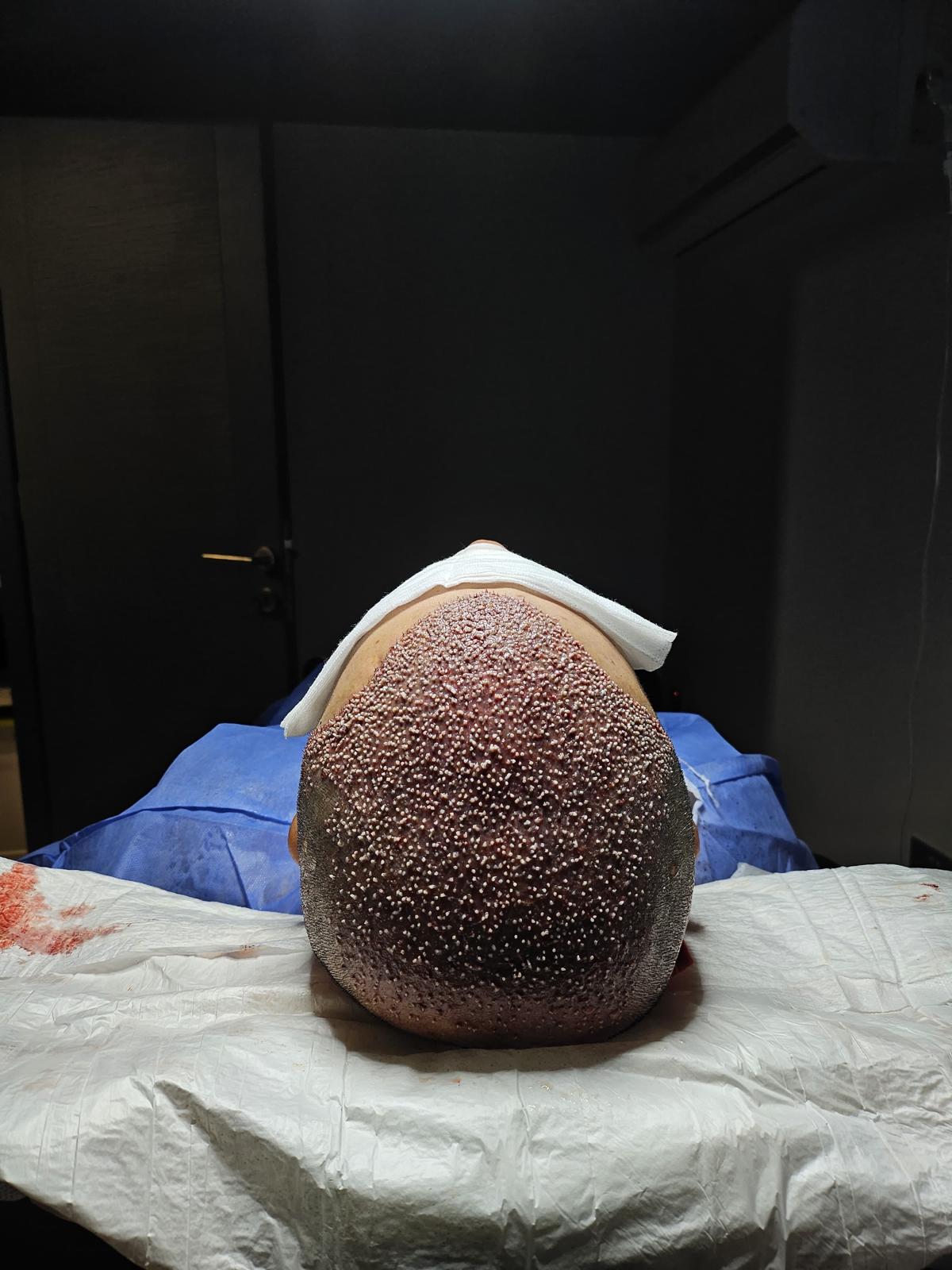
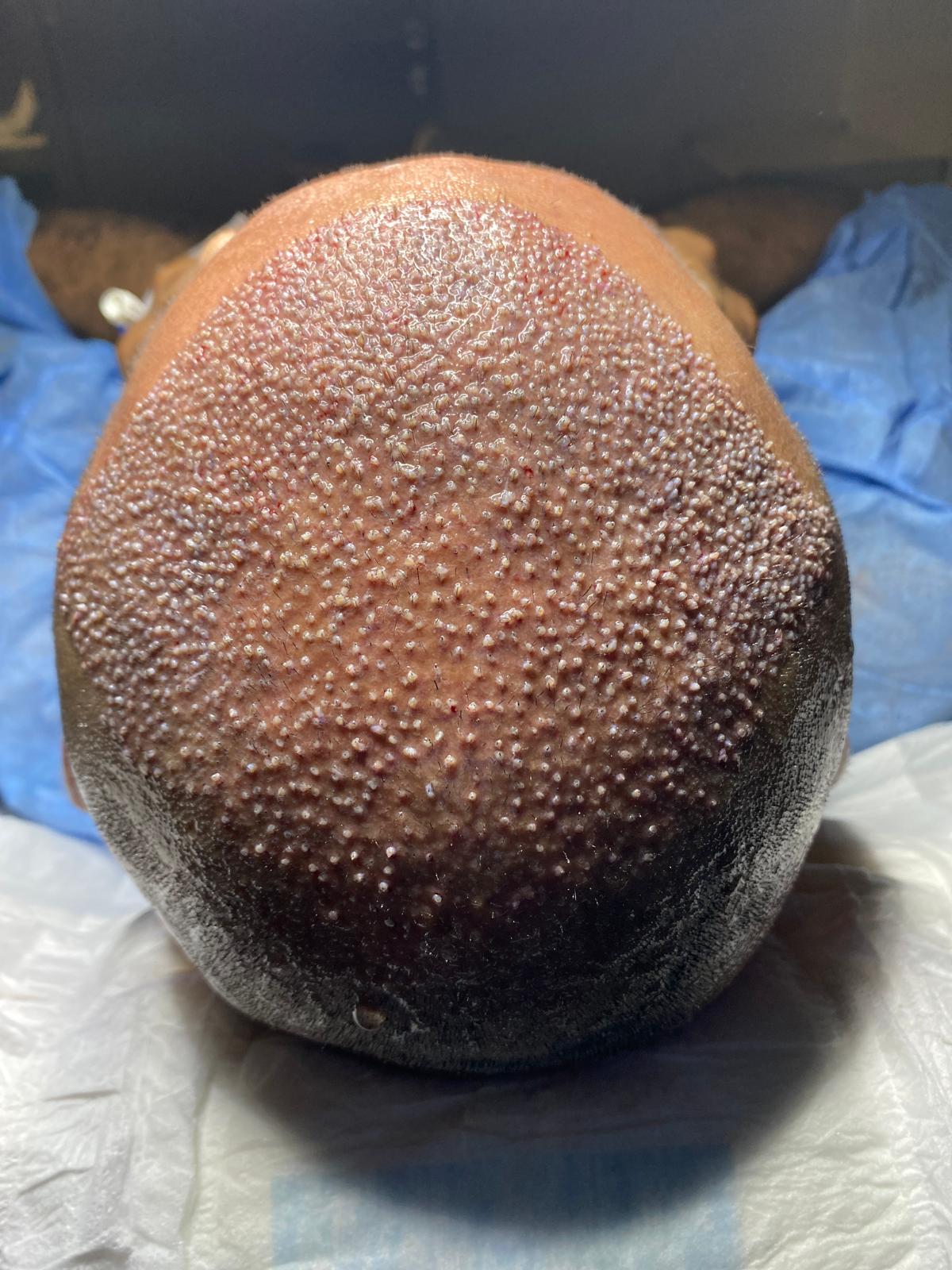
After the procedure, it is important for patients to follow the treatment plan and use medication prescribed by the doctor.
1. Immediate Aftercare
Rest for the first 3-5 days. Use a cold compress to minimize bruising and swelling. We recommend applying a cold compress to the forehead and temple region every 2 hours for 5-10 minutes.
Return to the clinic after 2-3 days for a professional wash and to provide instruction on how to care for it at home
2.Ongoing Care
Avoid:
Sleep on your back for the first 7-10 days to protect the grafts.
3.Hair Growth Timeline
3 Months: Implanted hair may fall out—this is normal.
4 Months: New hair starts to grow.
18 Months: Full results are typically visible.
The FUE technique is commonly used for eyebrow implants. This procedure is performed with local anesthesia, making it pain-free. The FUE method is often preferred because it does not leave any scar tissue after the operation. This treatment is a great option for women who use a black pen to camouflage hair loss in their eyebrow region. It is a desirable treatment because it provides long-lasting and natural-looking results.
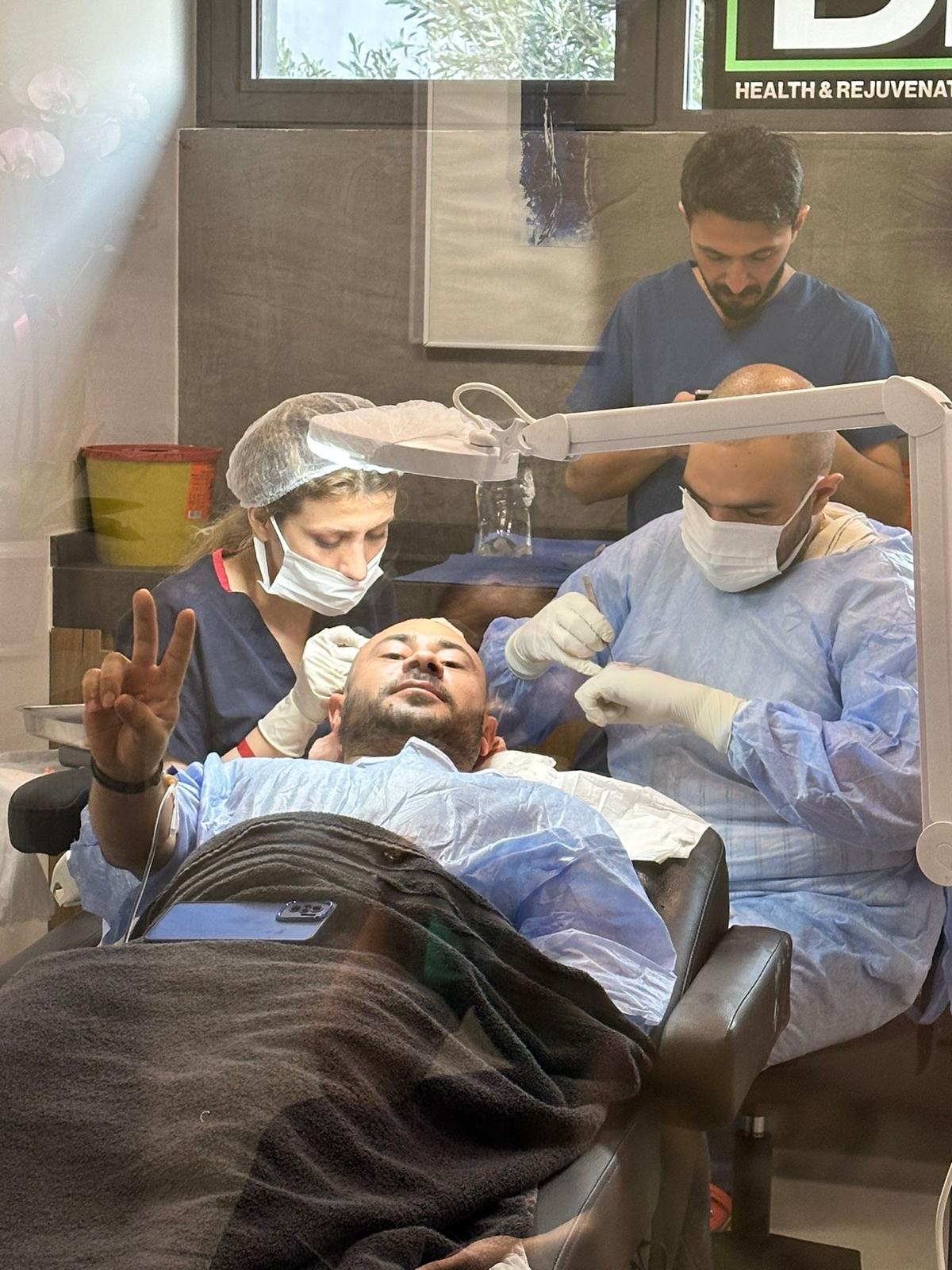
FUE technique is used for beard implanting. For beard hair transplants, the hair is mainly taken from the neck and cheekbone region. However, if there aren't enough grafts collected, hair is also taken from the back of the head. It is essential to open hair canals in the correct direction to ensure that the beard looks natural. It is also important to consider the size of the hair canals to ensure that the extracted grafts fit perfectly. After the canals are opened, the next step is to extract hair from the donor area. This is done using a device called a micro motor, which extracts each graft one by one. Patients should be aware that this treatment is not painful.
• Scar Tissue: A natural part of healing, minimized with FUE.
• Bruising and Swelling: Common but temporary.
• Infection and Necrosis: Rare, managed through careful post-operative care.
• Numbness: May last up to 3-12 months in some cases.
We take extreme measures to prevent these complications, which occur rarely due to the exceptional level of care provided by our team of specialists.
For optimal results, hair implantation can be supplemented with:
• PRP (Platelet-Rich Plasma): Enhances healing and stimulates hair growth.
• Autologous Micro Graft Treatments: Improves graft survival, trigger hair growth and overall hair density and number
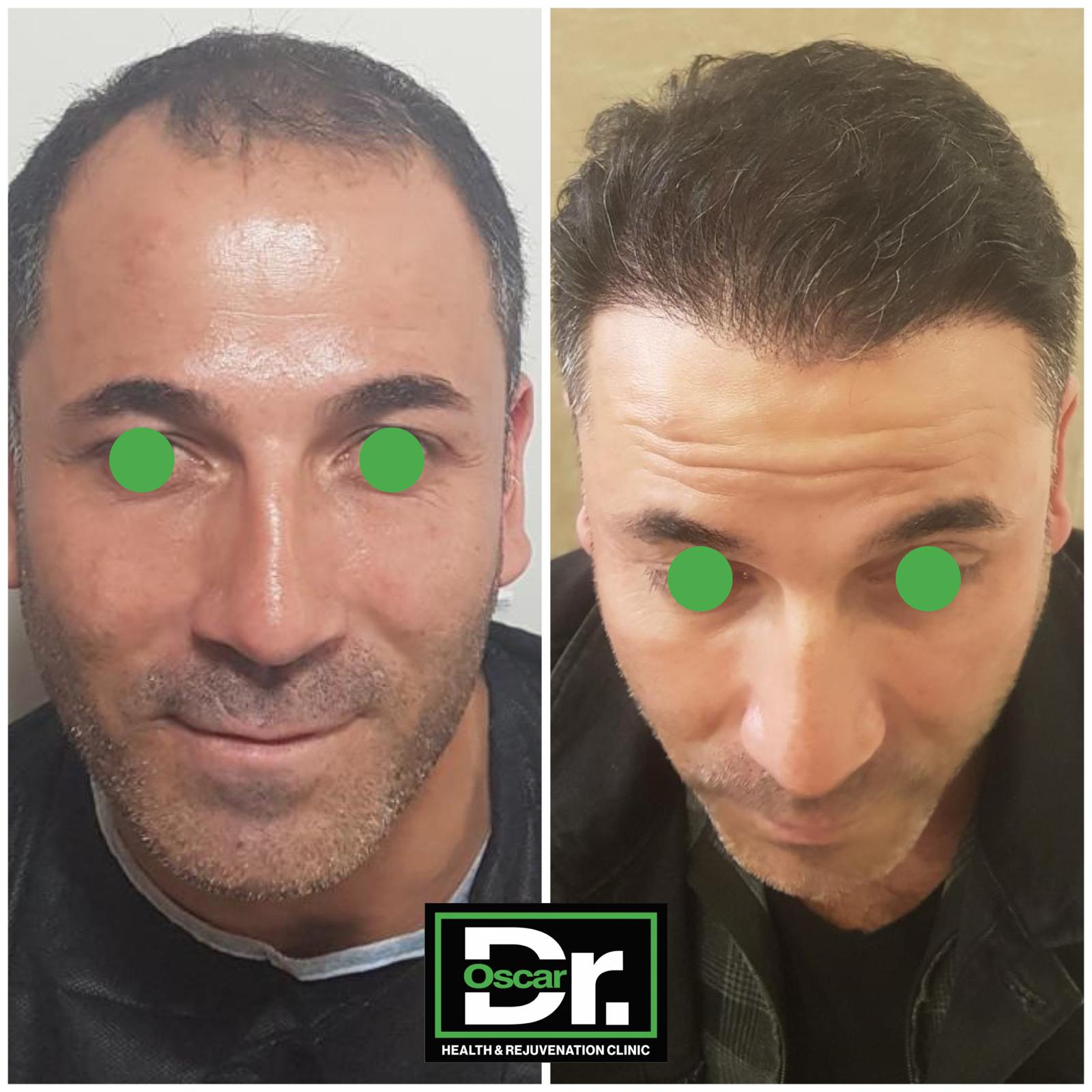
• Procedure Time: 4-8 hours.
• Recovery: 4-10 days for initial healing.
• Pain Level: Minimal with the use of local anesthesia.
Hair implantation offers a reliable and effective solution for individuals experiencing hair loss. With advanced techniques like FUE and DHI, patients can achieve natural-looking, long-lasting results tailored to their needs. Proper planning, aftercare, and a commitment to the recommended treatment plan ensure the best outcomes.
Effective For:
o Male Androgenetic Alopecia: Hair loss on the front, top, or crown of the scalp.
o Female Androgenetic Alopecia: Thinning along the sides or temples.
o Cicatricial Alopecia: Hair loss due to scarring that destroys hair follicles.
Benefits:
o Stimulates natural hair growth.
o Repairs and regenerates damaged hair follicles.
o Offers protection against future hair loss, particularly for patients predisposed to alopecia.
o Can complement other hair restoration techniques, such as hair implants or mesotherapy
• Duration: 34–45 minutes per session.
• Recovery: Immediate.
• Pain Level: Minimal, as the procedure uses local anesthesia.
• Number of Sessions: Generally one, but maintenance treatments can be performed every 6–9 months if needed
Can be combined with
PRP/GRP therapy for enhanced results.
Mesotherapy for nourishing the scalp.
Addressing underlying conditions like seborrheic dermatitis or nutrient deficiencies to maximize outcomes.
This treatment offers a minimally invasive, effective solution for hair loss and scalp rejuvenation, with the added advantage of using the body's natural regenerative potential
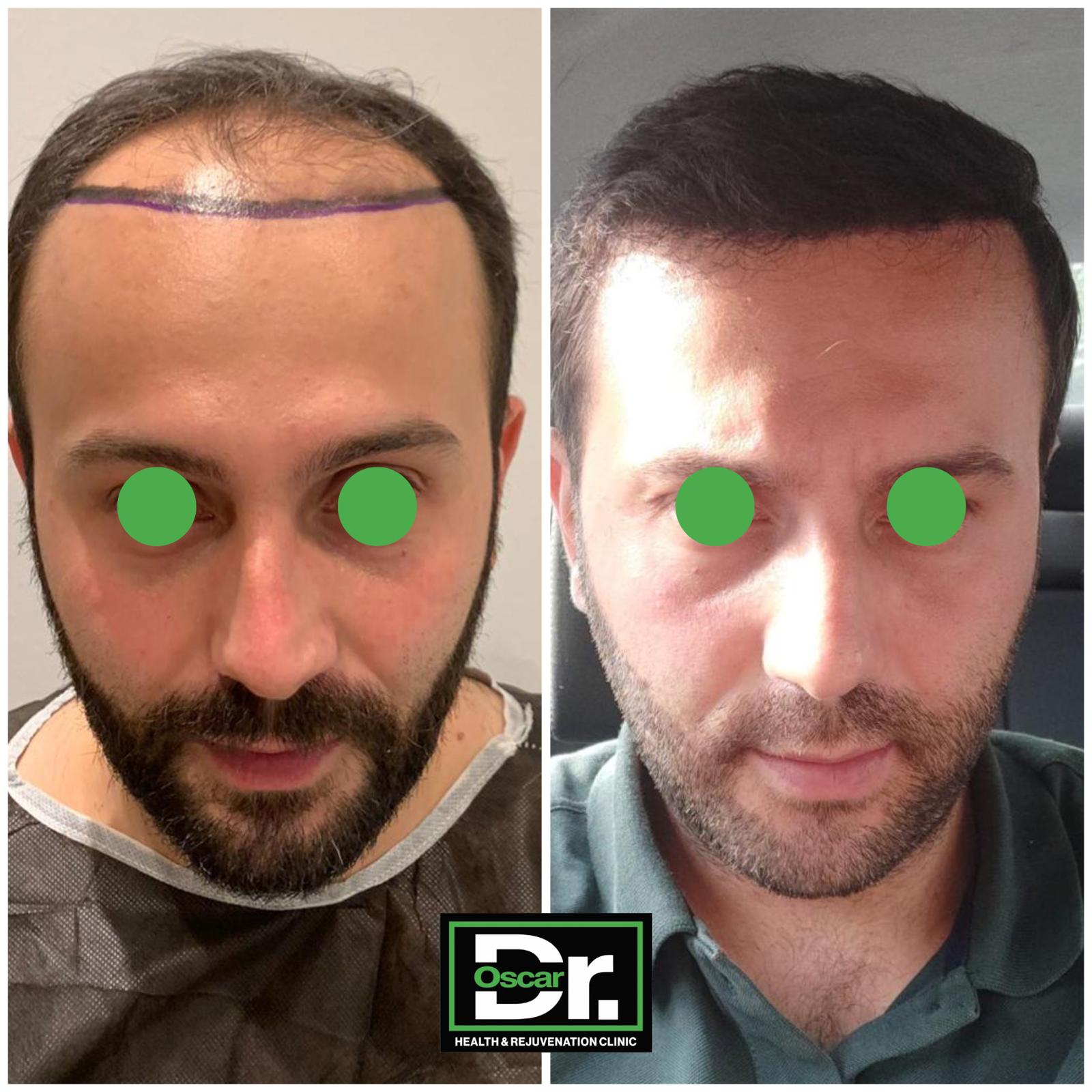

We offer our patients two of the latest hair transplant techniques, FUE and DHI, selected based on the number of grafts required.
The FUE technique is better suited for patients experiencing significant hair loss, whereas DHI is used for smaller needs. In the implanting phase of the FUE technique, canal openings are required for the implantation of hair grafts. On the other hand, in DHI, a special pen is used to implant the grafts directly, eliminating the need for canal openings.
The FUE technique provides a higher number of hair grafts compared to DHI. However, the DHI technique is more suitable for female patients and patients with scar tissue who require a lower number of hair grafts. The DHI technique is less invasive but more expensive than the FUE technique.
The procedure may take upto 4-8hrs depending on the treatment area and the graft number taken.
After the procedure, there might be swelling at the forehead region for 3-5 days. There is a possibility that you may feel numb for a few months. Infection may occur if the patients don't obey the treatment plan and medicine prescribed by the doctor.
Anyone who is worried about their look, who has scar tissue that wants to cover,who has baldness a large or low amount, and who wants to gain their confidence back are ideal for a hair implanting procedure.
Patients over 65 years of age, a person that has an active phase of hair falling , the person that has high stress in their life, and infectious or chronic diseases like diabetes are not ideal for hair implanting.
It is important to eat something on the day of the procedure in case you feel lightheaded. On the day before the procedure, patients are advised not to smoke or consume alcohol. Blood thinners should be stopped one week before the operation, and patients who are on medication should at least reduce it for 6 months.
You should apply ice on the forehead region to avoid bruising for several days,sleep on your back for 4 days and get at least 5 days off from work. No heavy sport,sun exposure,swimming ,hot baths or sauna for 20 days in the case of infection. No hair dying, shaving and hair gels, and spray usage for at least 6 months.
The procedure is done under local anaesthesia, and patients won't feel any pain.
The FUE (follicular unit extraction) method is more favorable for Eyebrow and Beard Implanting because with this method, no scar tissue is induced.
The procedure is applied under local anesthesia patients won’t feel any pain.
Non shaving implant is name given to hair implanting procedure done without shaving. Window shape technique will be more favourable in ladies who doesn’t want to shave their hair and American shaving is a benefit for male patients who doesn’t want to shave their recipient area.